How to Pet-Proof a Living Room Without a Baby Gate
Baby gates aren’t always the answer. Maybe your living room has an open-concept layout where a gate would look ridiculous. Maybe your dog just jumps right over it anyway. Or maybe you’ve got cats, who treat gates as a minor inconvenience at best. Whatever the reason, you can absolutely pet-proof a living room without a baby gate — you just need a smarter approach than blocking the whole doorway.
As an Amazon Associate I earn from qualifying purchases. This post also contains affiliate links, meaning I may earn a small commission if you buy through them at no extra cost to you.
The trick is thinking in layers: remove temptation, protect what you can’t remove, and redirect your pet’s energy somewhere better. Do all three, and you won’t need a gate standing guard at the entryway.
Start With a Pet’s-Eye View of the Room
Before you buy or build anything, get down on the floor. Literally, crawl around your living room at dog or cat height and look for what’s tempting.
You’ll usually spot the same culprits:
- Dangling phone chargers or lamp cords
- Low shelves with breakables
- Trailing curtain cords or blind pulls
- Trash cans or recycling bins within reach
- House plants at nose or paw height
- Couch cushions and throw blankets that smell like you
Not sure which houseplants are risky? ASPCA keeps an updated list of toxic and non-toxic plants worth bookmarking.
Once you see the room the way your pet does, the fixes get a lot more obvious.
Manage Cords and Cables First
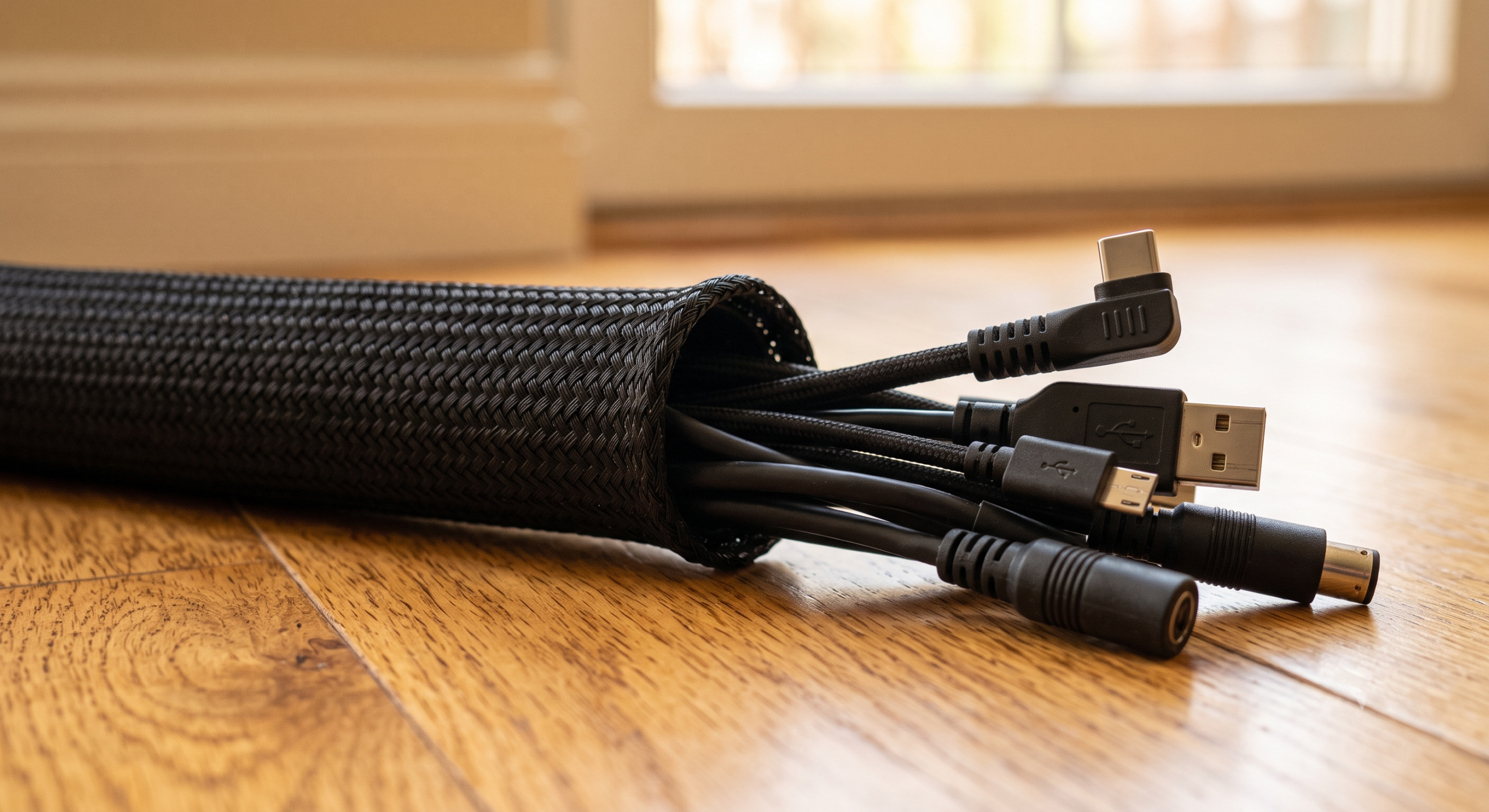
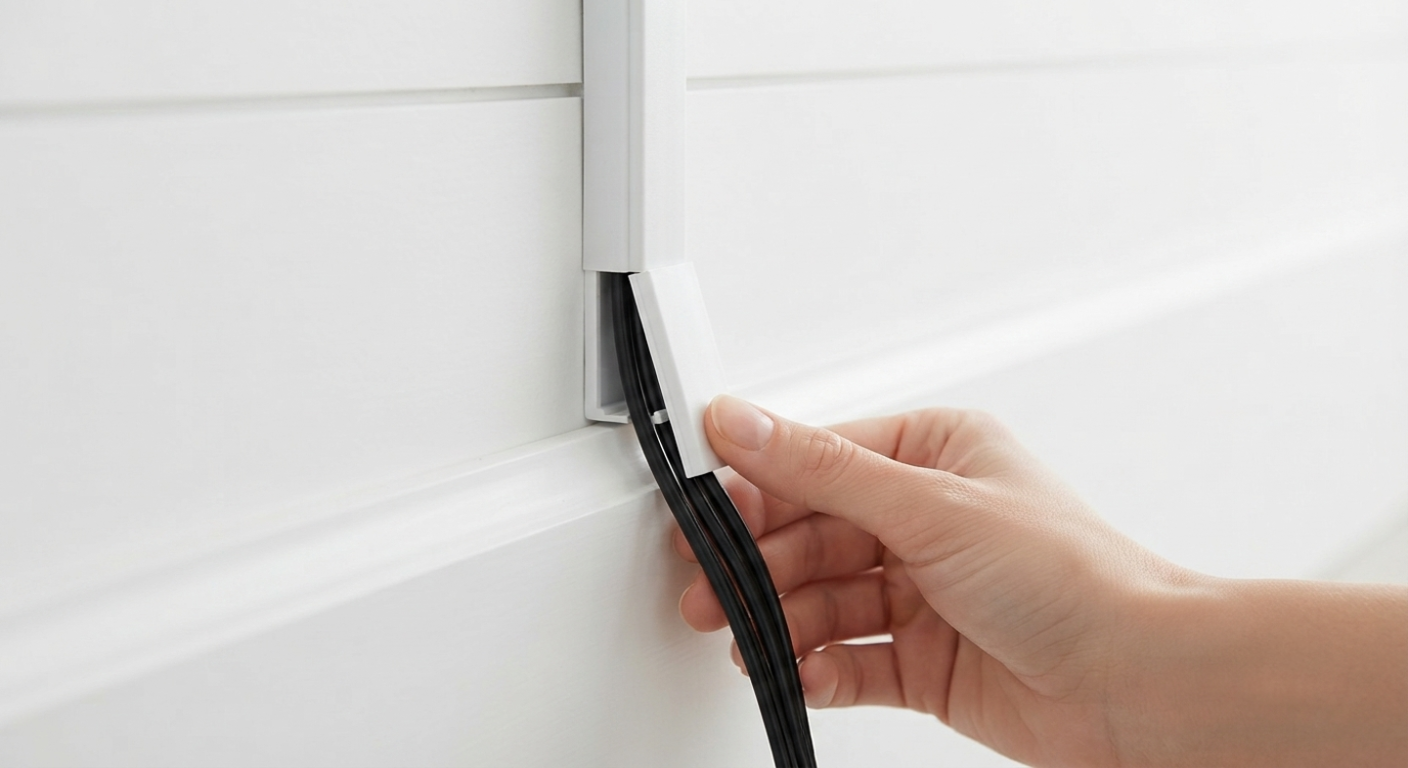
Chewed cords are one of the most common (and dangerous) pet-proofing problems, and it’s usually the first thing that goes wrong once a gate comes off the table. Bundle loose cords with cord protectors or spiral wrap, and run them along baseboards instead of across open floor space.
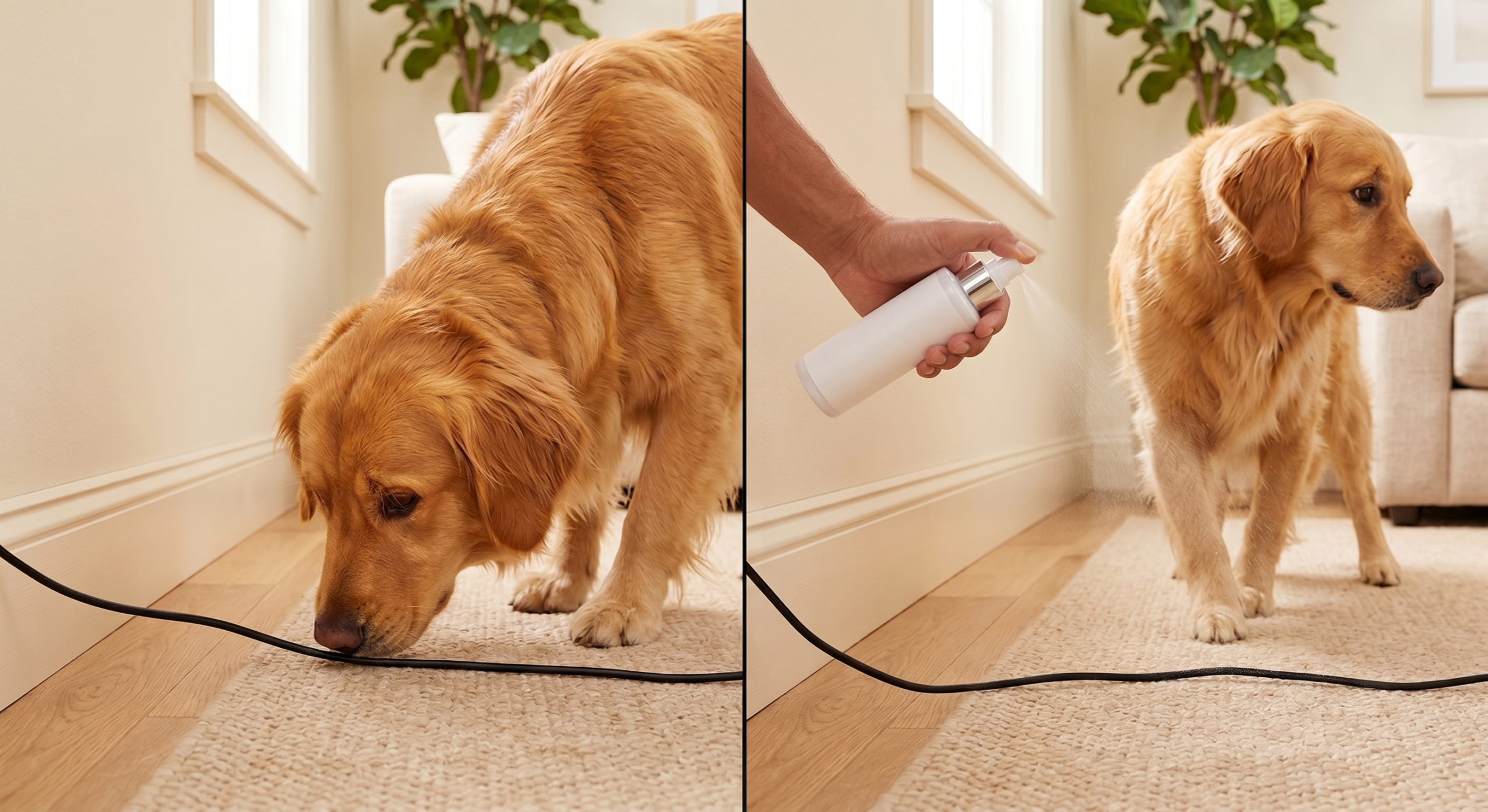
For cords you can’t hide entirely, a bitter-tasting deterrent spray applied directly to the cord works well for both cats and dogs. Reapply every week or two, especially after cleaning.
If you’ve got a particularly determined chewer, cord concealer channels that mount flush to the wall are worth the extra step. They’re a permanent fix rather than a temporary spray, and they double as a way to hide unsightly cable clutter from guests too.
Rethink Furniture Placement Instead of a Baby Gate
This is really the heart of a gate-free approach: use furniture as your barrier system instead. A couch, console table, or bookshelf positioned strategically can block off a room’s entry point just as effectively as a gate, without the visual clutter.
A few placement tricks that work well:
- Angle a couch or loveseat across a wide opening to narrow the path
- Use a console table behind a sofa to block the gap between furniture and wall
- Position a bookshelf or plant stand to close off access to a hallway
- Group ottomans or side tables to create a natural “fence” around a rug or play area
This approach tends to look more intentional than a plastic gate bolted to your doorframe, and it’s a lot more effective against cats, who can simply jump most gates anyway.
Protect Baseboards, Corners, and Furniture Legs
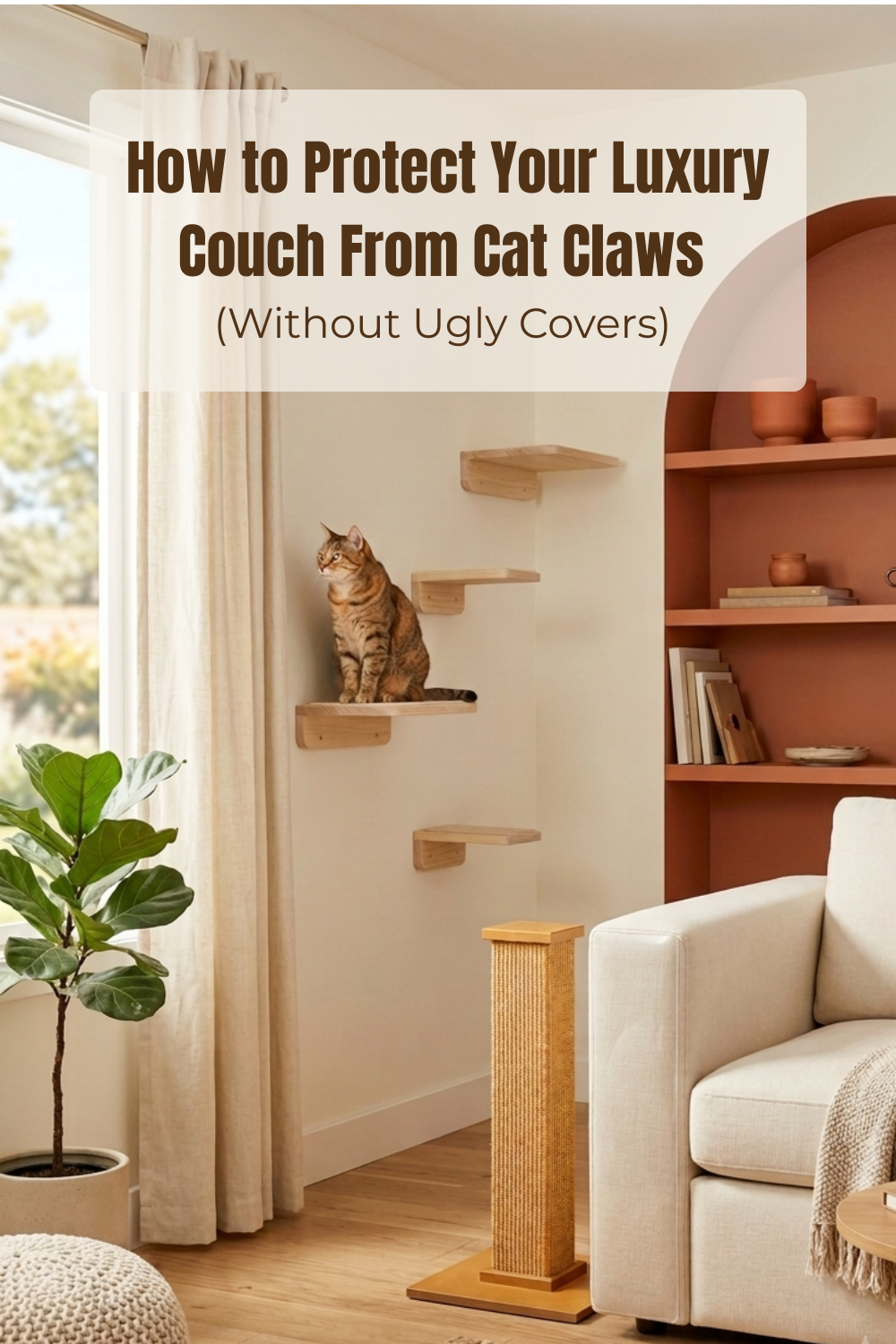
Dogs and cats both gravitate toward chewing or scratching the edges of things — baseboards, table legs, stair corners. Clear furniture guards or corner protectors are an easy, nearly invisible fix. They’re removable, don’t damage paint or wood underneath, and hold up surprisingly well against teething puppies.
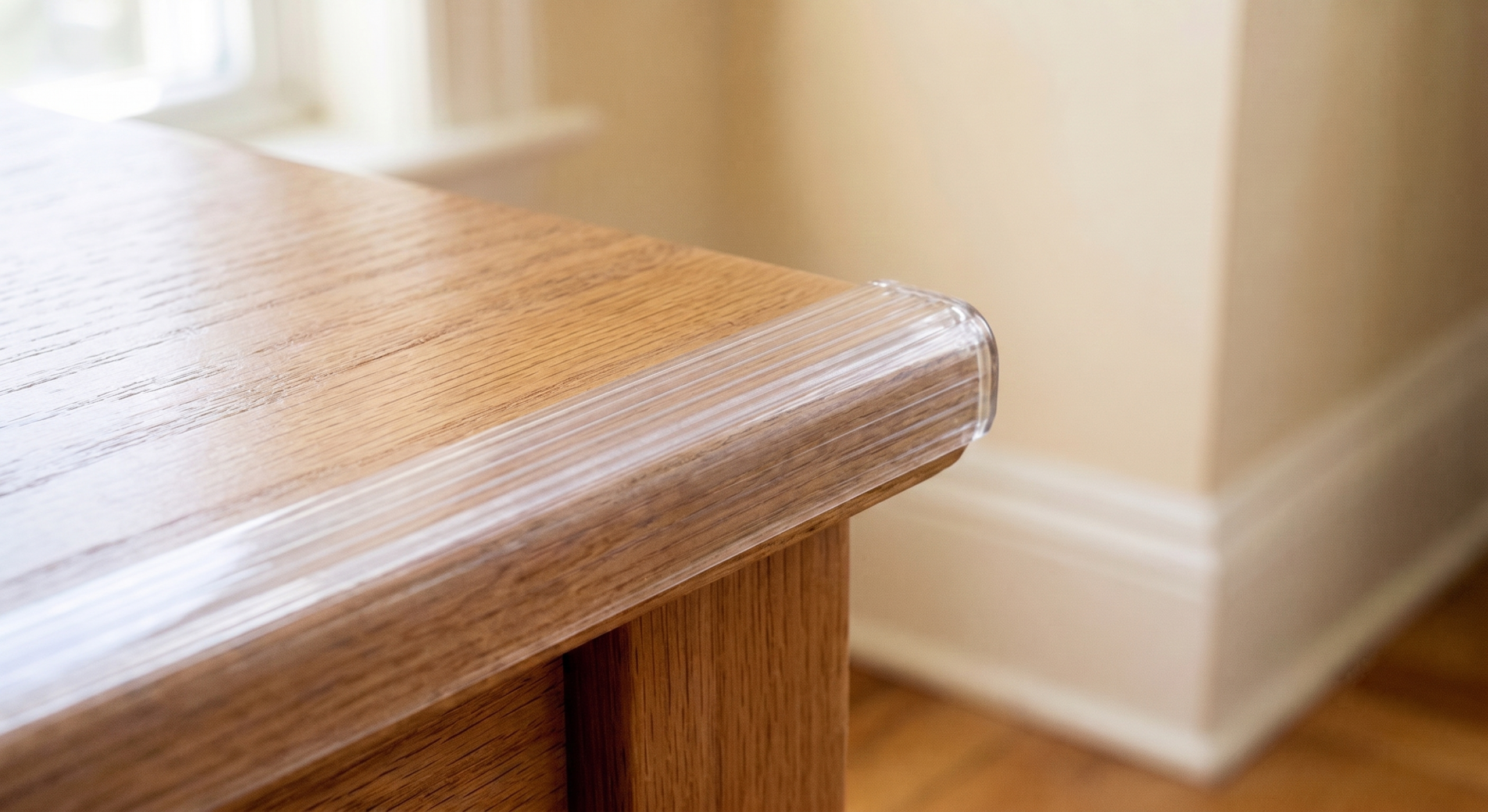
For cats specifically, giving them a legitimate scratching outlet nearby matters just as much as protecting the furniture itself. A sturdy scratching post placed near (not hidden away from) the couch redirects the behavior instead of just blocking it.
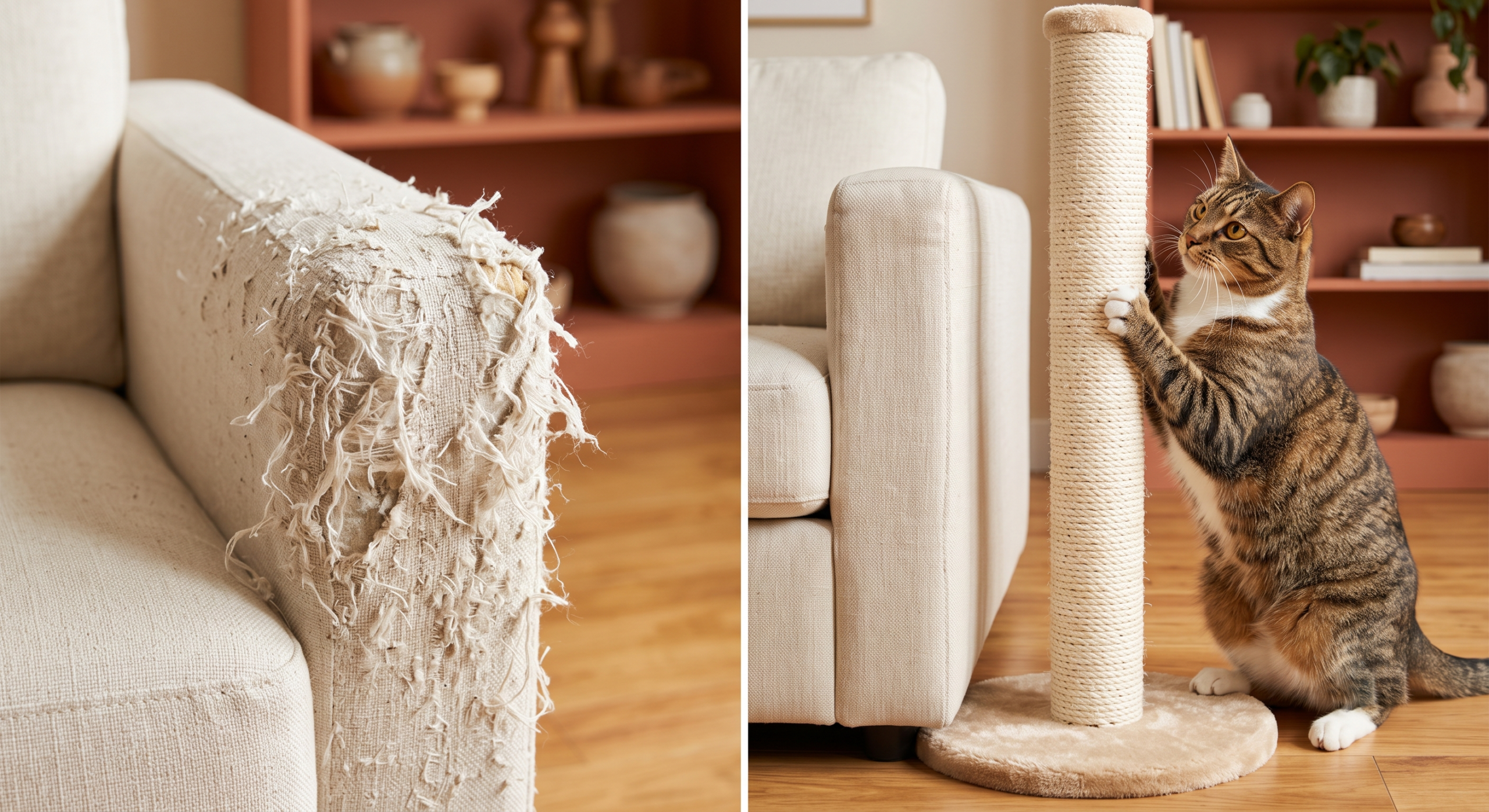
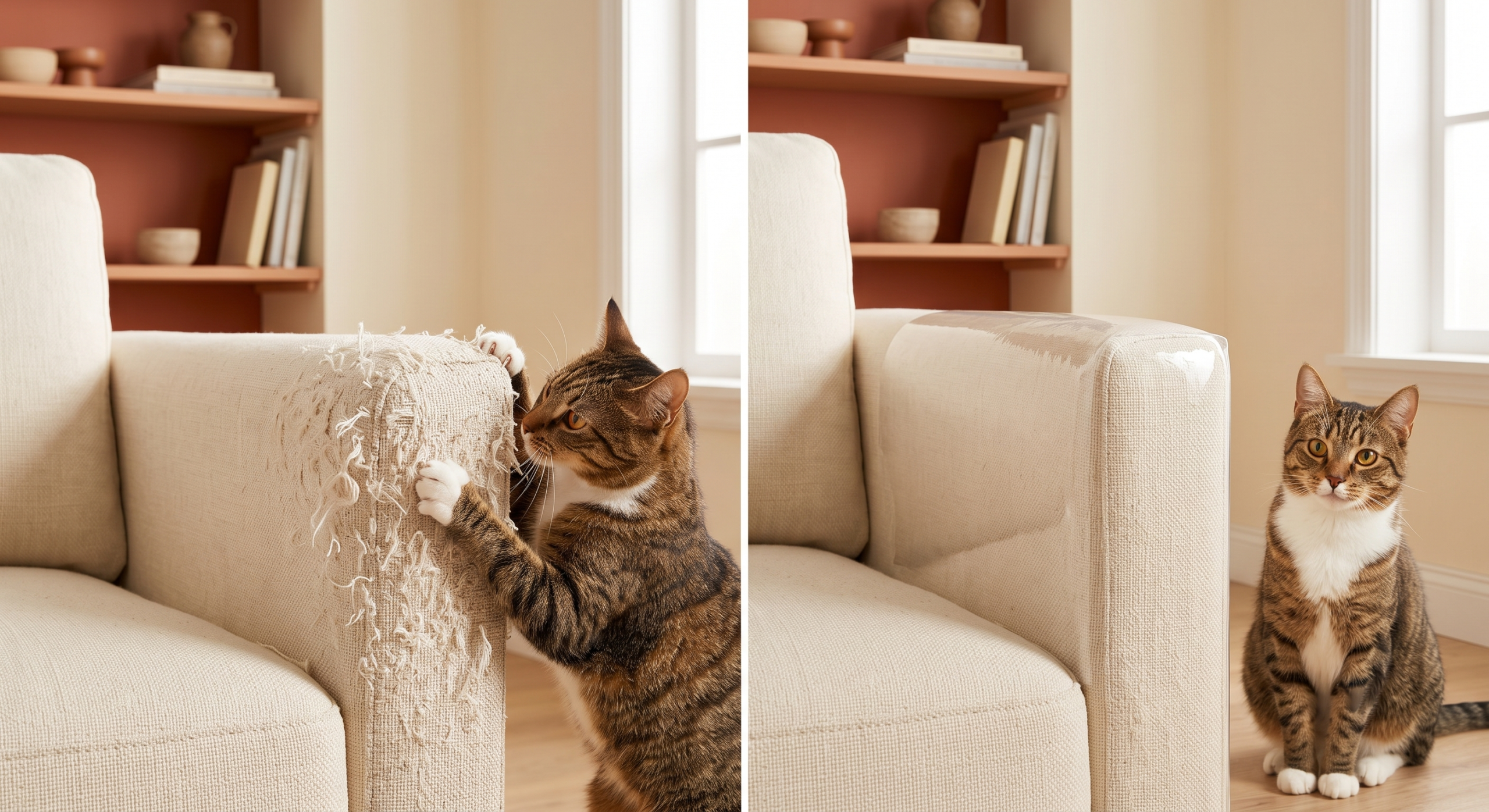
Couches take the worst of it, especially from cats who treat armrests and cushion corners as their personal scratching post. Clear, medical-grade adhesive guards work well here too — nearly invisible once applied, and easy to reposition as your cat’s favorite scratching spot changes.
Create a Designated Pet Zone
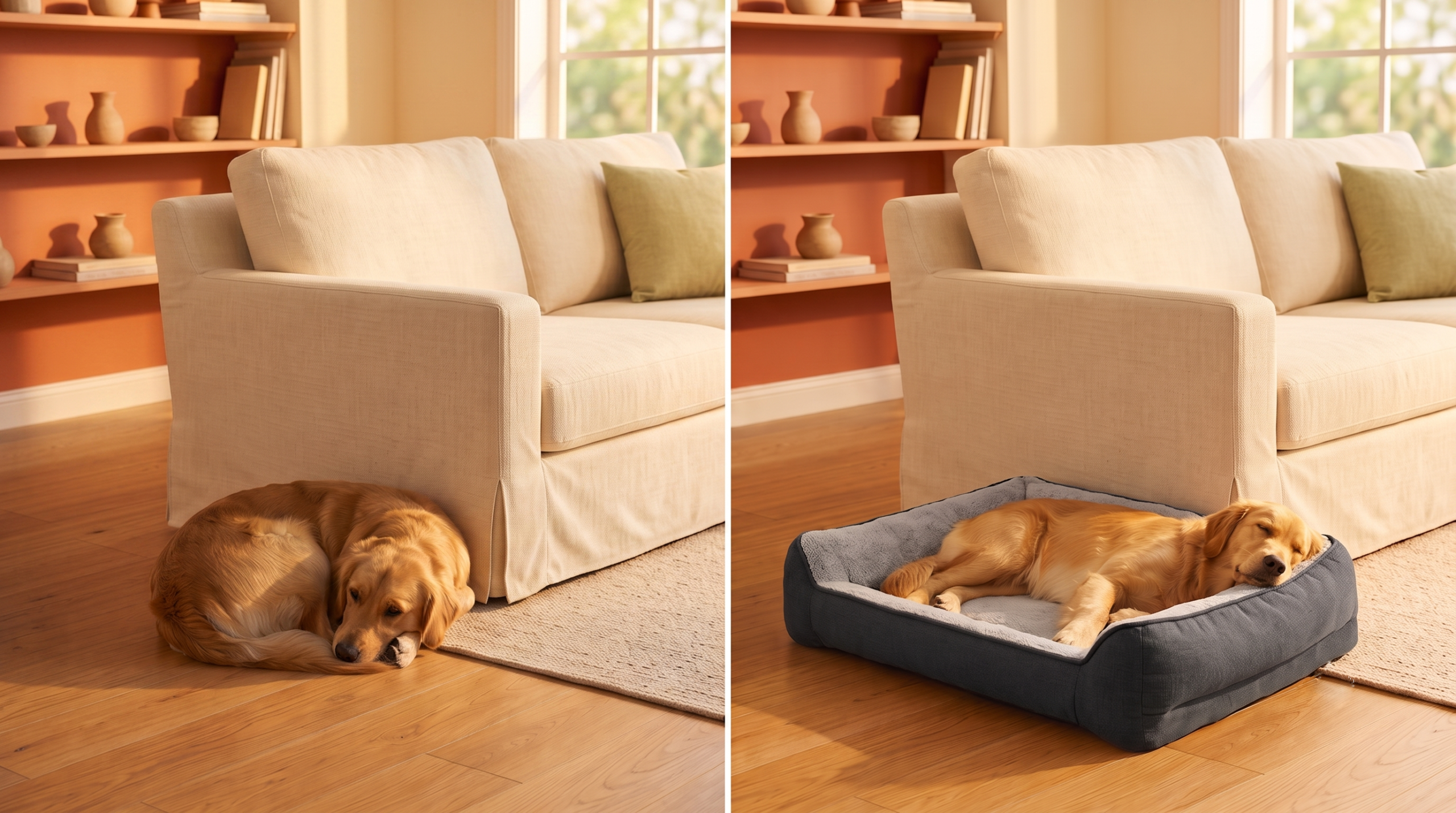
One of the most overlooked strategies here is simply giving your pet somewhere better to be. A gate works by restricting access; a designated zone works by making the restricted area less interesting in the first place.
Set up a comfortable bed, a few toys, and maybe a puzzle feeder in a corner of the room your pet already gravitates toward. Dogs especially respond well to having “their” spot — a place that’s theirs, with familiar smells and no pressure to stay off the furniture.
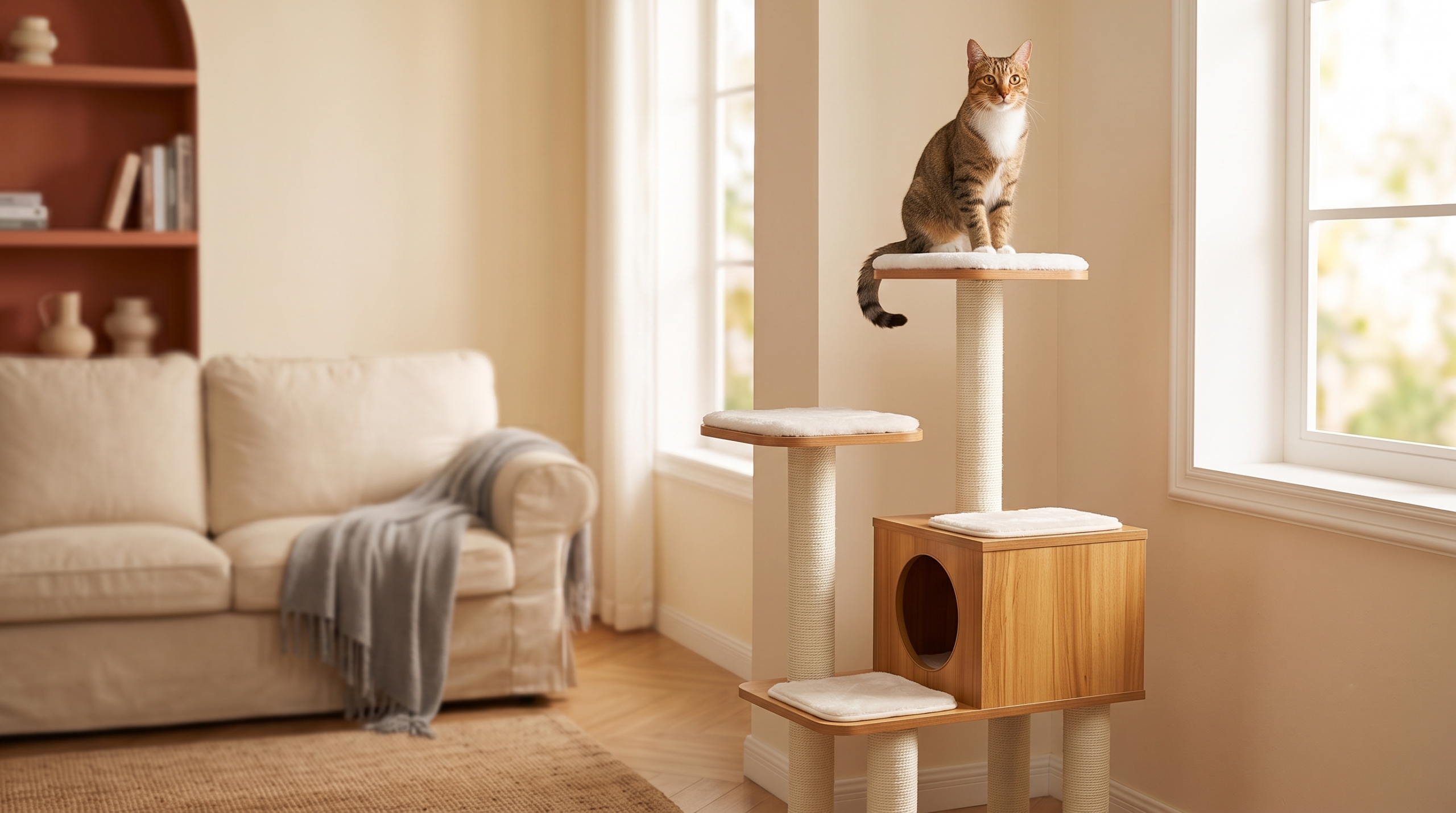
For cats, vertical space does a lot of the same work a gate would. A freestanding cat tree gives them a dedicated spot to climb, perch, and watch the room from a safe distance.
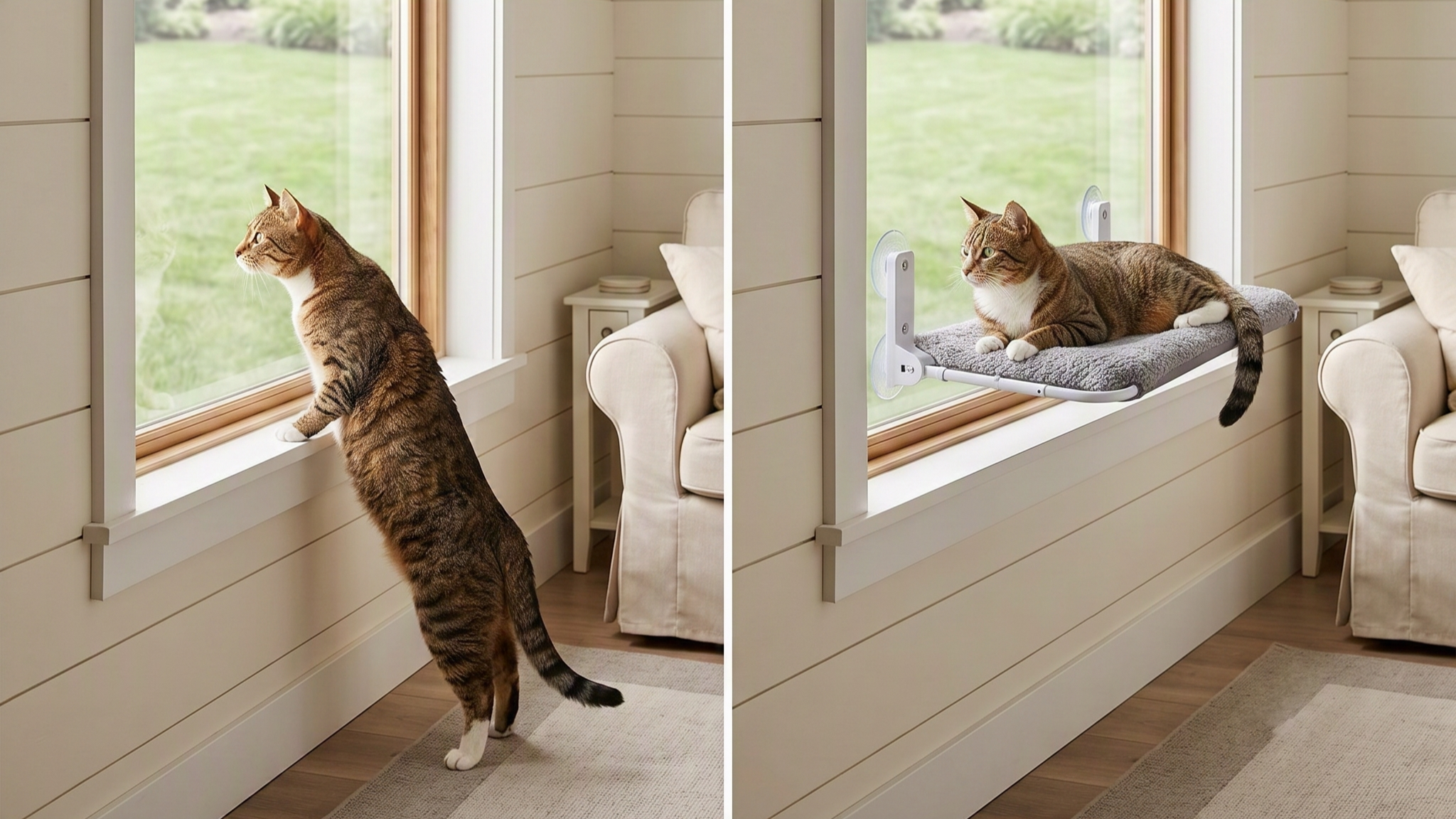
If floor space is tight, a wall-mounted window perch works just as well, giving your cat a sunny lookout spot instead of your countertops or curtains.
Use Scent and Texture Deterrents Strategically
Pets avoid textures and smells they don’t like, and you can use that instead of a physical barrier. Double-sided tape or textured mats placed on counter edges, couch arms, or windowsills discourage jumping or scratching in specific spots. Citrus-based sprays work as a mild deterrent for areas you want your cat to avoid entirely, like a particular houseplant or side table.
These aren’t permanent solutions on their own, but combined with furniture placement and a good pet zone, they cover the gaps a gate would have handled.
Secure Trash Cans and Low Cabinets
If your living room has a media console or low cabinet with doors, childproof (or pet-proof) latches keep curious paws and noses out without needing to rearrange the whole room. They’re a five-minute install and solve a surprising number of problems, from chewed remote batteries to knocked-over houseplant fertilizer.
For trash cans, switching to a step-lid or weighted-base can eliminates the tipping-and-digging problem almost entirely — no gate required.
Train the “Off” and “Leave It” Cues
Physical barriers only go so far. Spending even 10 minutes a day reinforcing basic cues like “off” (for furniture) and “leave it” (for objects) pays off far more than any gate would. Dogs pick these up fairly quickly with consistent, positive reinforcement. Cats can learn them too, though it usually takes more patience and higher-value treats.
This is really what makes a gate-free living room work long-term. The furniture arrangement and deterrents handle the physical space, but training handles the behavior — which is the part a gate was never really solving anyway.
Putting It All Together
None of these steps needs to happen all at once. Start with whatever’s causing the most damage right now — cords, a scratched couch arm, a knocked-over trash can — and layer in the rest over a week or two. A living room that’s pet-proofed through smart furniture placement, protected surfaces, and a designated pet zone ends up looking better and working better than one blocked off by a gate anyway.